
Chapter 7: Support & Integration
Supporting systems, integration architecture, and ecosystem requirements
7.1 Supporting Systems Ecosystem
An LPR/ANPR system does not operate in isolation. It is embedded within a broader ecosystem of supporting systems that provide power, networking, time synchronization, physical security, and downstream data consumers. The following integrated diagram shows all supporting systems and their relationships to the core LPR system, providing a complete view of the ecosystem that must be designed and managed as a whole.
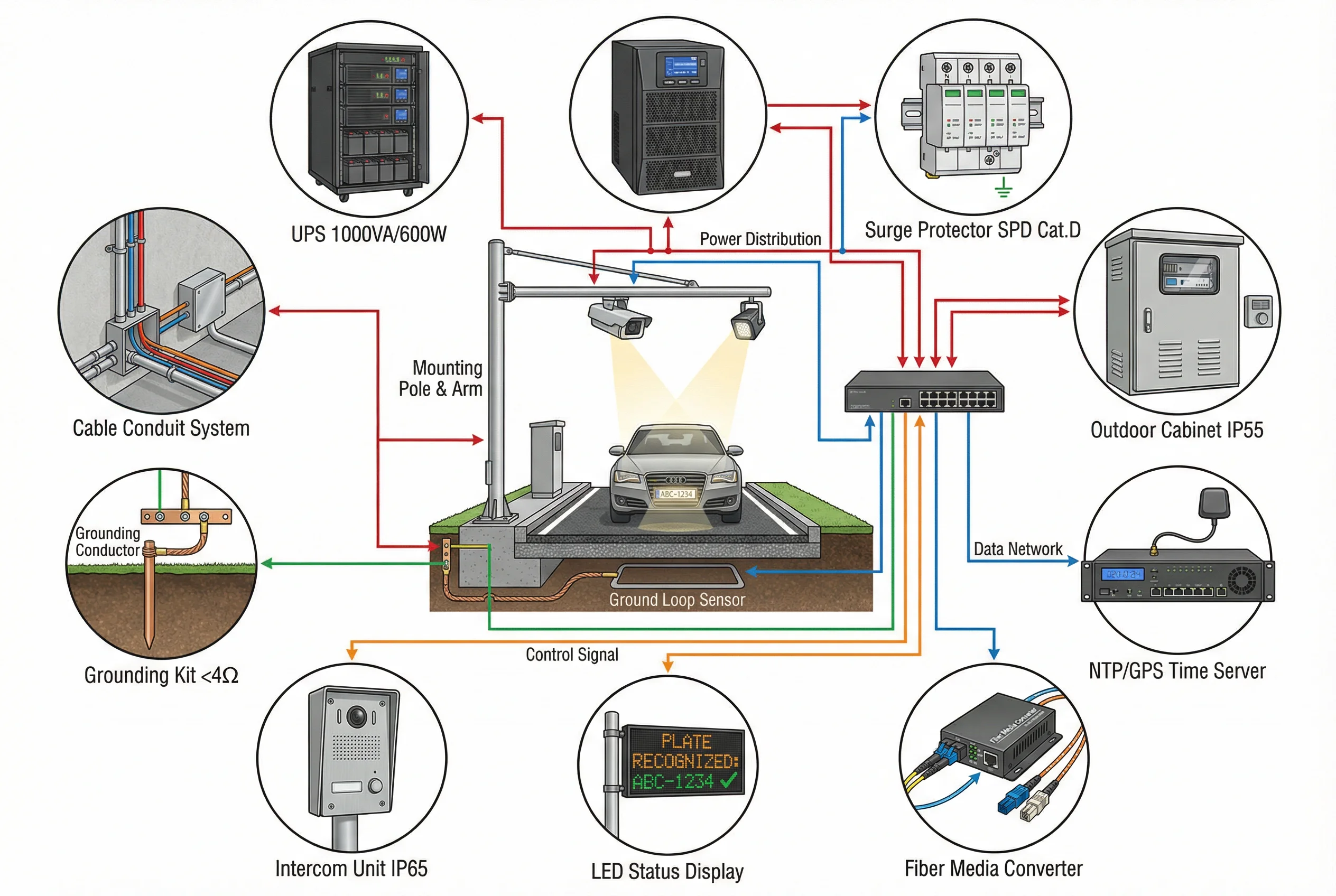
Figure 7.1: LPR/ANPR supporting systems ecosystem — integrated view of all supporting devices and their interconnections
The supporting ecosystem encompasses seven categories: Power Infrastructure (UPS, surge protection, power distribution units, solar/battery backup for remote sites); Network Infrastructure (managed switches, routers, firewalls, wireless bridges for remote cameras); Time Synchronization (GPS receivers, NTP servers, PTP grandmasters); Physical Security (tamper detection, enclosure locks, CCTV coverage of LPR equipment); Environmental Monitoring (temperature, humidity, vibration sensors in equipment cabinets); Downstream Integration Systems (access control, parking management, billing, law enforcement databases); and Operations Support (NOC monitoring, helpdesk ticketing, field service management).
7.2 Integration Architecture
Integration with downstream systems must be designed using a loosely coupled, event-driven architecture. Direct database integration is prohibited — all integration must use well-defined APIs or message queues. This ensures that changes to the LPR system or downstream systems can be made independently without breaking integrations.
| Integration Target | Integration Method | Data Format | Latency SLA | Retry Policy |
|---|---|---|---|---|
| Access Control System | REST API / Relay output | JSON + relay signal | <500ms | 3 retries, 1s backoff |
| Parking Management System | REST API / SDK | JSON | <1s | 5 retries, exponential |
| Billing System | Message queue (MQTT/AMQP) | JSON | <5s | Persistent queue |
| Law Enforcement DB | Secure API (mTLS) | XML/JSON | <2s | 3 retries, alert on failure |
| SIEM / Security Platform | Syslog / REST API | CEF / JSON | <10s | Local buffer, sync |
| Video Management System | ONVIF / SDK | RTSP + metadata | Real-time | Reconnect on disconnect |
| ERP / WMS | REST API / Webhook | JSON | <5s | 5 retries, dead letter queue |
7.3 Power Infrastructure Requirements
Power infrastructure is the most common cause of LPR system failures. Every field cabinet must have a dedicated UPS with sufficient capacity to maintain operation for at least 15 minutes at full load, allowing graceful shutdown or generator startup. Surge protection must be installed on all power inputs and communication lines entering the cabinet.
| Component | Typical Power Draw | UPS Sizing Factor | Surge Protection |
|---|---|---|---|
| LPR Camera (PoE+) | 15–25W | ×1.25 | On PoE switch input |
| IR Illuminator | 20–60W | ×1.25 | On power supply input |
| PoE Switch | 50–200W | ×1.2 | On AC input |
| Edge NVR/Server | 50–150W | ×1.2 | On AC input |
| Barrier Gate Motor | 100–300W (peak) | ×1.5 | On AC input |