
Chapter 3: Scenarios & Selection
Eight key application scenarios with real-scene images, descriptions, and technical KPIs
3.1 Scenario Overview
LPR/ANPR systems are deployed across a wide spectrum of environments, each with distinct requirements for recognition accuracy, throughput, environmental robustness, and system integration. Selecting the appropriate system configuration requires a thorough understanding of the target scenario's operational characteristics, regulatory constraints, and integration requirements. The eight scenarios presented in this chapter represent the most common deployment contexts, covering the full range from low-speed residential access control to high-speed highway enforcement.
For each scenario, the key technical indicators (KPIs) define the minimum acceptable performance thresholds that must be validated during acceptance testing. These KPIs are derived from operational requirements and should be treated as contractual commitments, not aspirational targets.
3.2 Application Scenario Gallery
The following gallery presents eight real-scene deployment scenarios with detailed descriptions and primary technical indicators. Each scenario card includes a representative site photograph, operational context description, and four key performance indicators that define the minimum acceptable system performance for that environment.
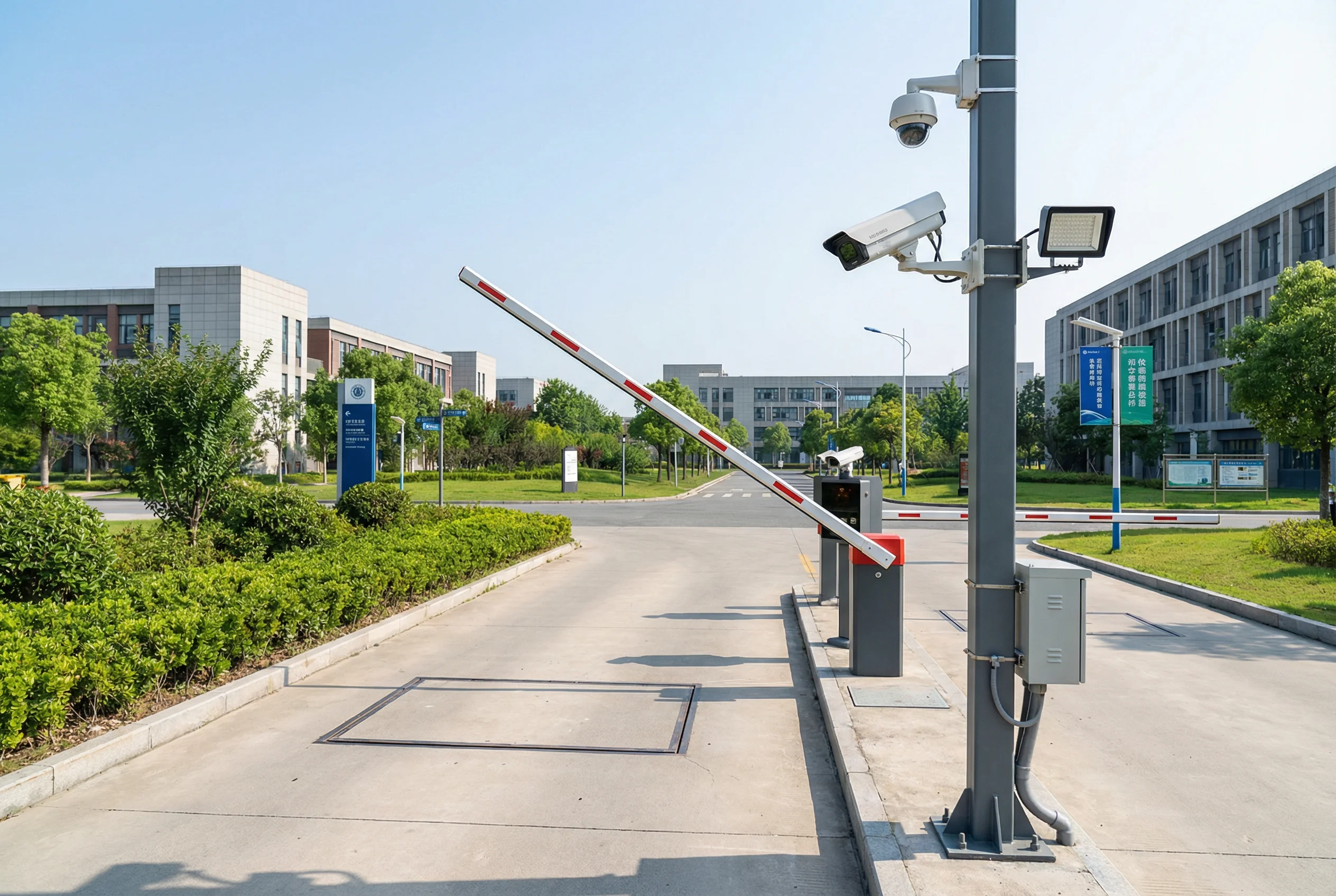
A. Campus & University Entrance
Controlled-access campus gates require high-accuracy recognition of both visitor and resident vehicles. The system must integrate with access control to manage whitelists and issue visitor passes automatically.
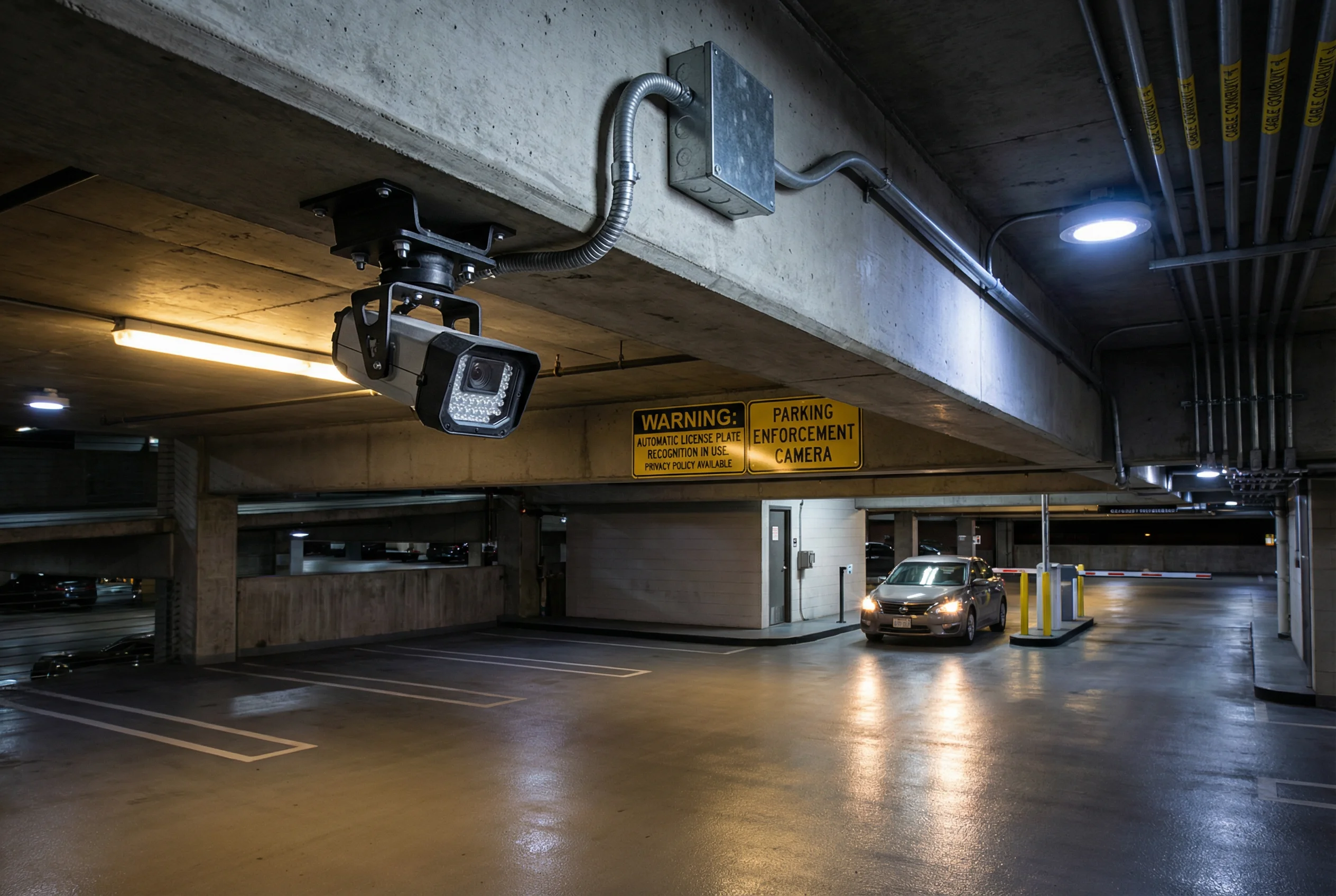
B. Commercial Parking Garage
Multi-level parking facilities demand reliable recognition in low-light, confined environments with tight mounting constraints. Integration with parking management systems (PMS) for fee calculation is mandatory.
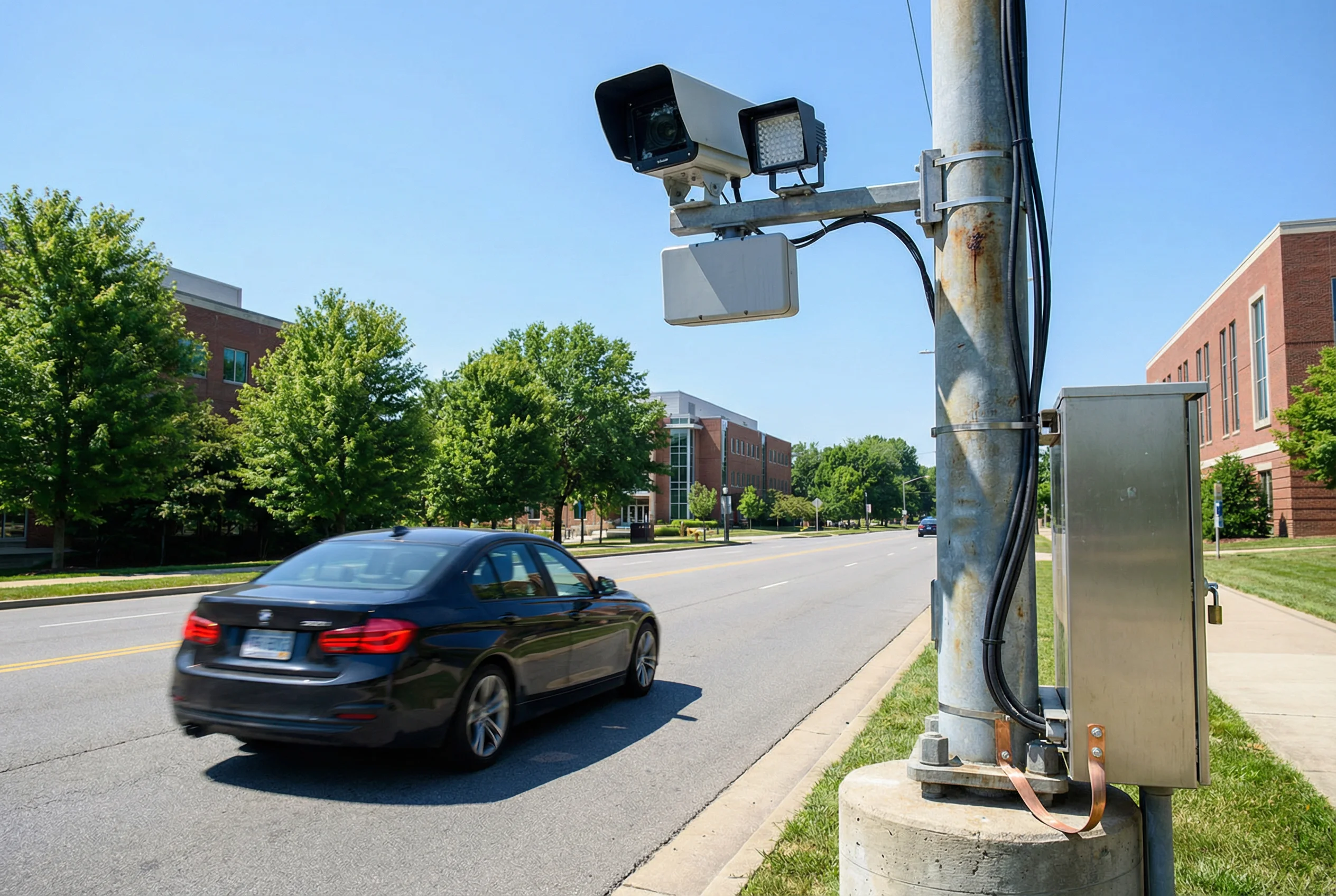
C. Urban Road Checkpoint
Urban enforcement checkpoints must handle high-speed, multi-lane traffic with diverse plate types. Systems must comply with local traffic law enforcement regulations and integrate with central police databases.
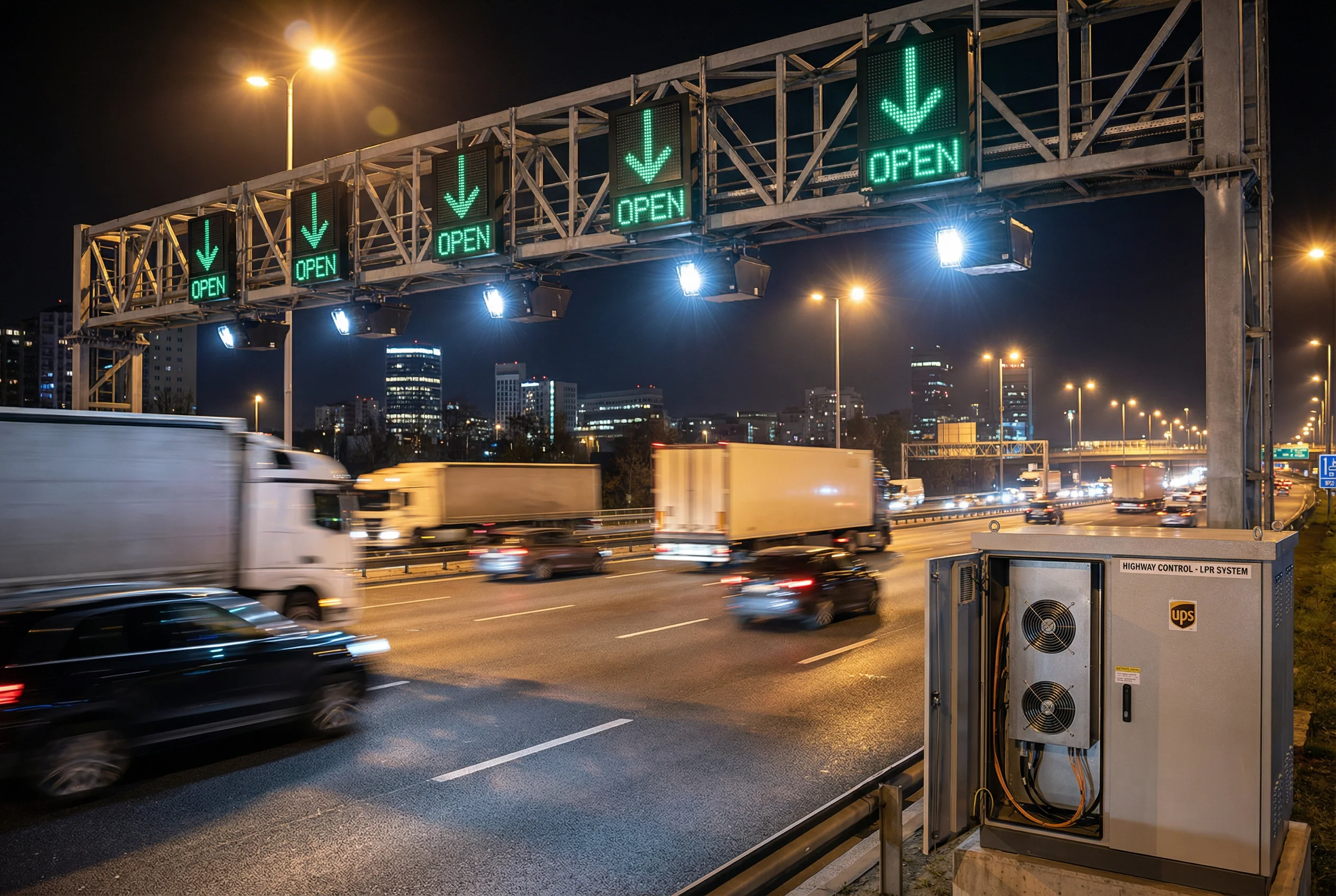
D. Highway Toll Station
Toll stations require ultra-high throughput with zero missed reads. Systems must operate in all weather conditions including rain, fog, and snow, and support both manual and electronic toll collection workflows.
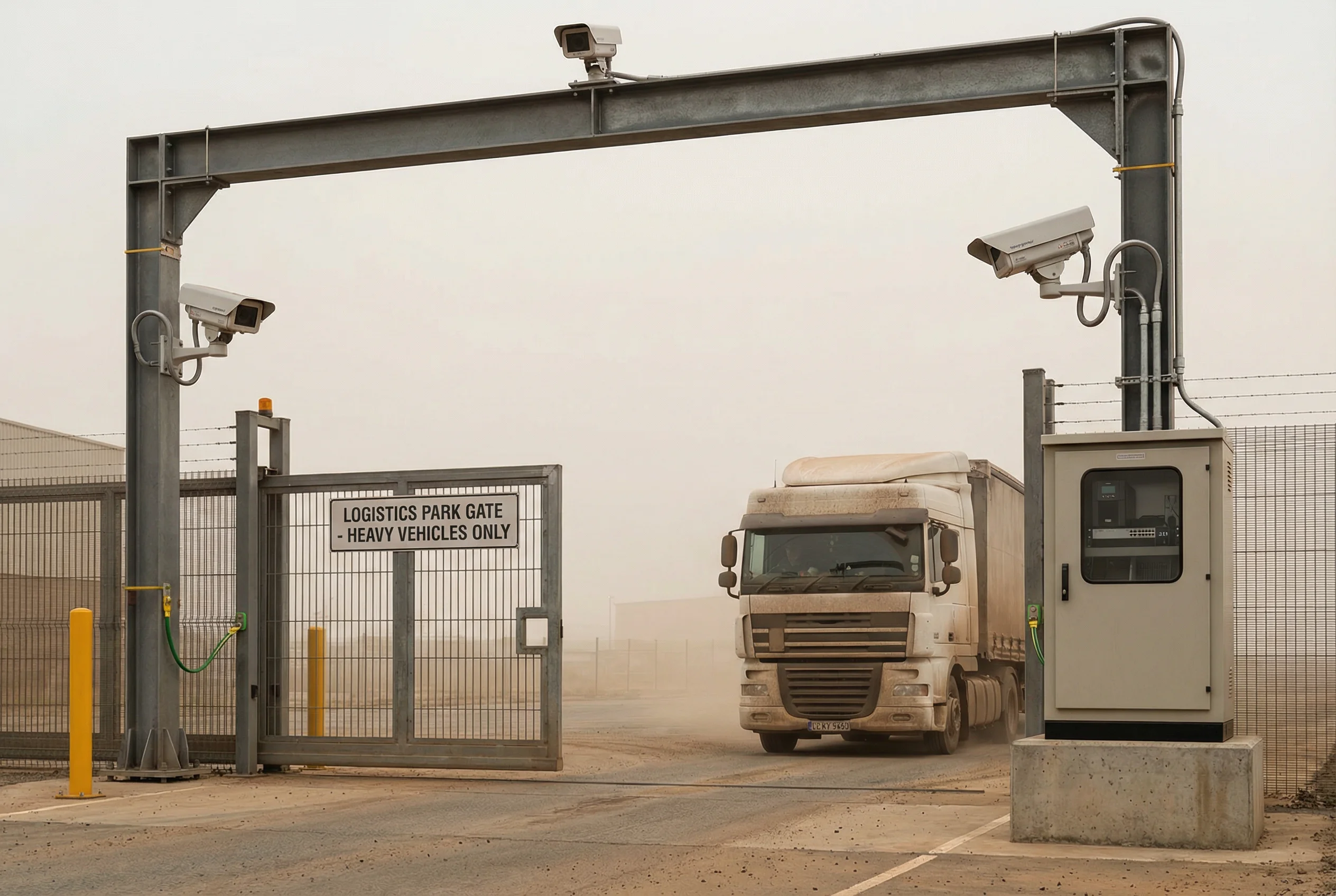
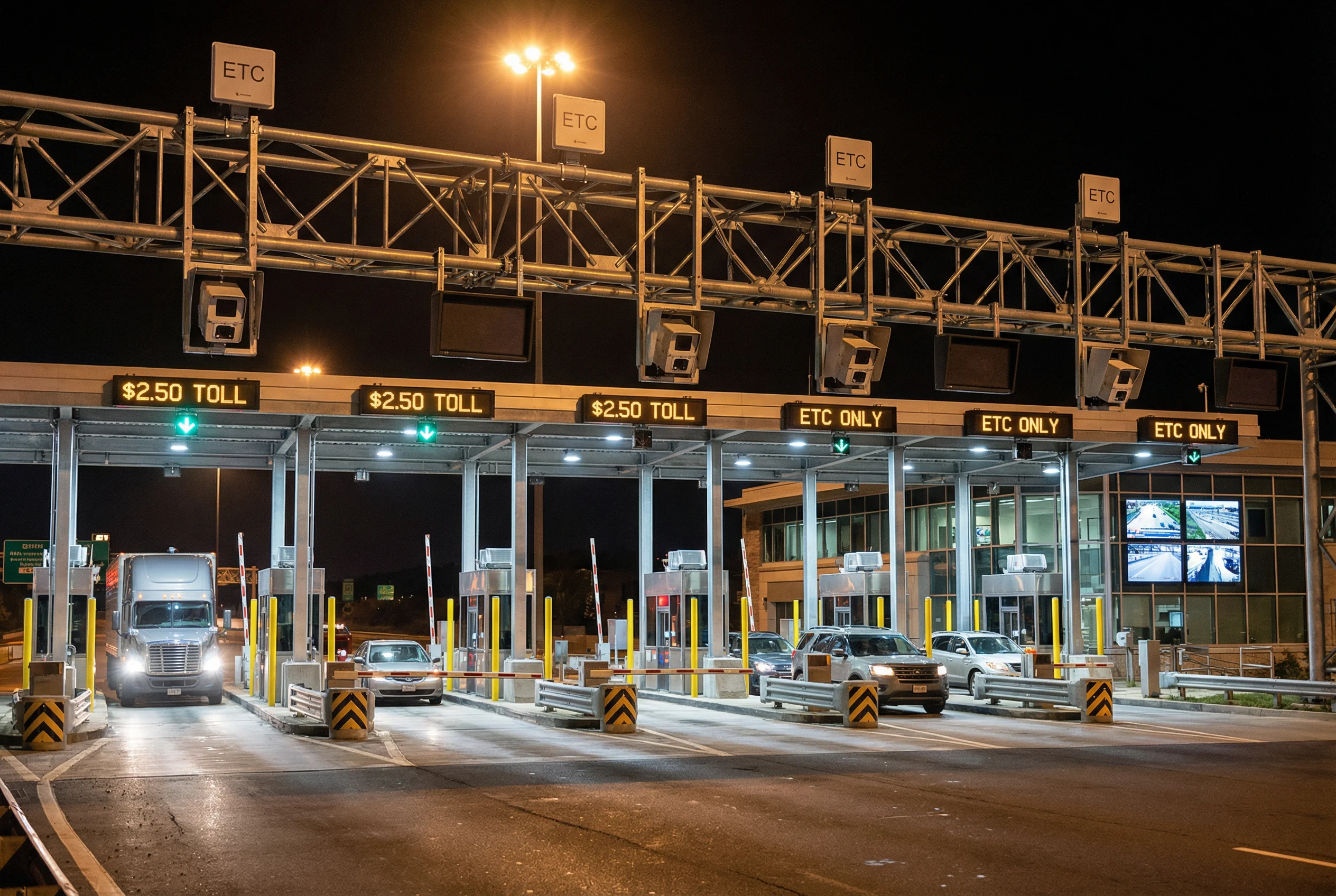
E. Logistics & Industrial Gate
Logistics gates handle heavy vehicles with diverse plate types including trailer plates, oversized vehicle permits, and international plates. Integration with WMS and ERP systems for automated delivery verification is required.
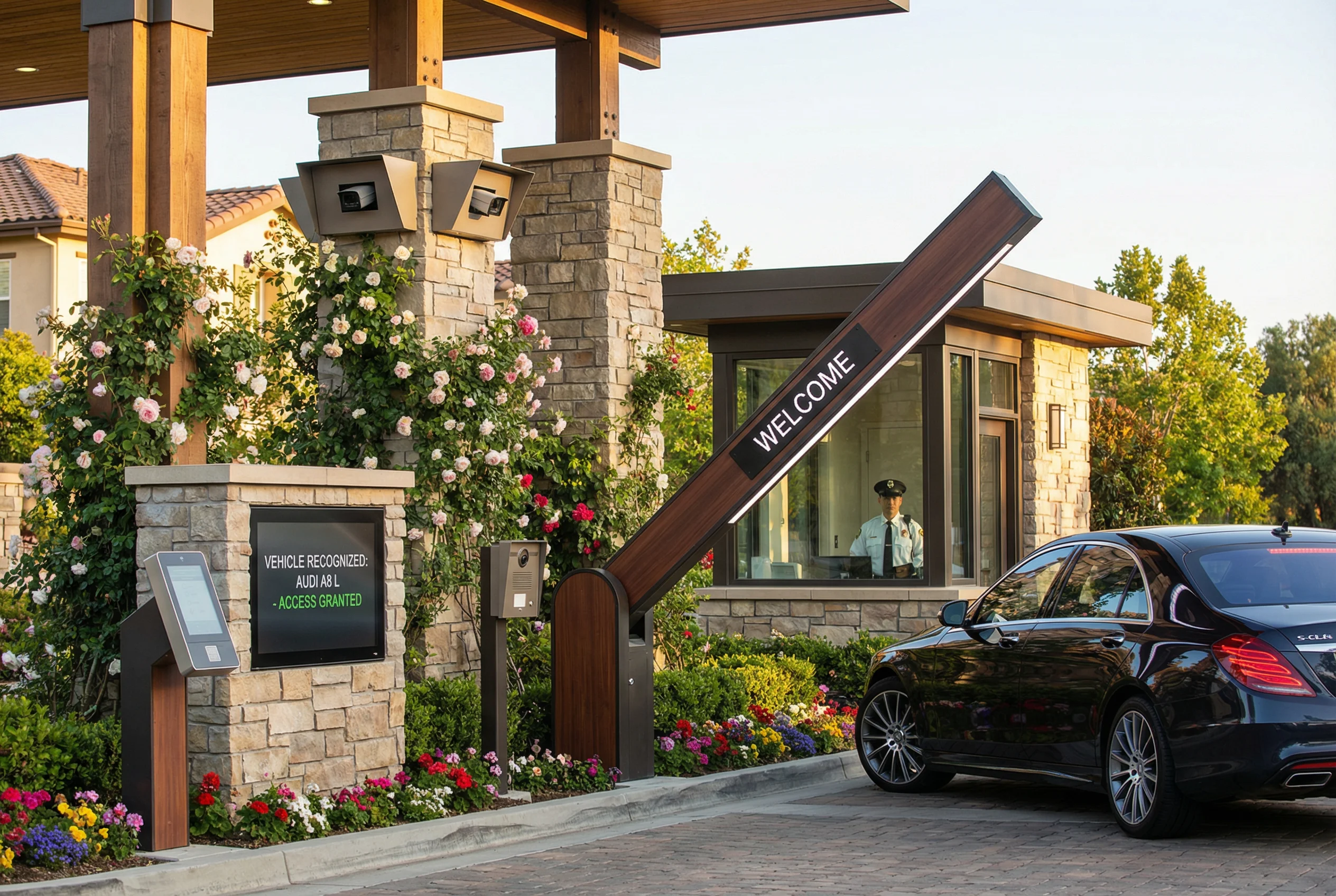
F. Residential Community Entrance
Residential communities prioritize resident convenience with fast, seamless entry for authorized vehicles. Systems must support visitor pre-registration, temporary access codes, and integration with property management platforms.
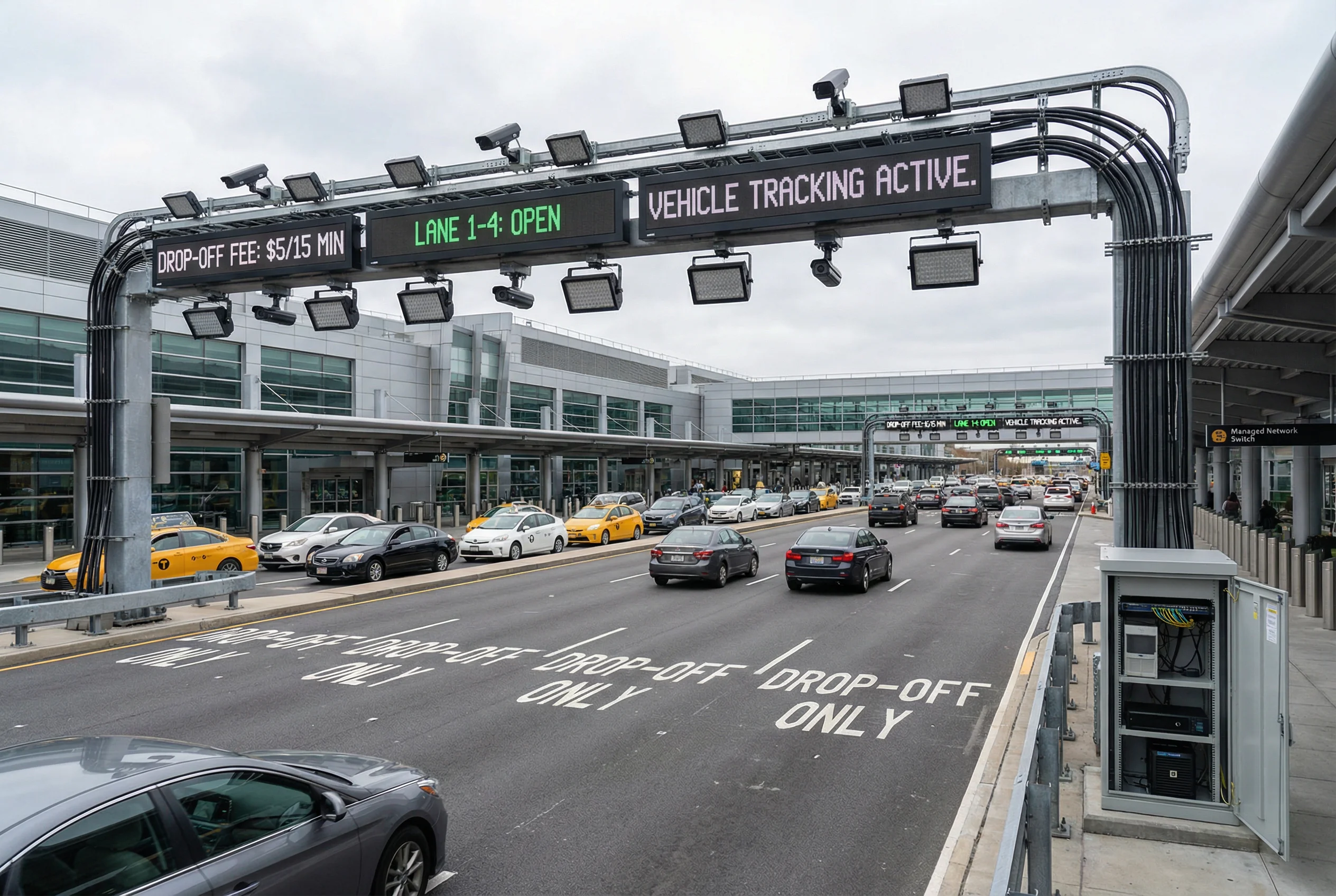
G. Airport & Transportation Hub
Airport environments demand recognition across multiple zones: arrivals, departures, long-term parking, and service roads. Systems must handle high vehicle density, diverse international plates, and integrate with flight information systems.
H. Border Crossing & Port of Entry
Border crossing systems require the highest security standards with integration to national law enforcement databases, customs systems, and immigration records. All events must be forensically admissible with full audit trails.
3.3 Scenario Selection Matrix
The selection matrix below maps each scenario to its recommended system configuration, providing a quick reference for system designers to identify the appropriate hardware and software specifications for their target deployment environment.
| Scenario | Camera Type | Illuminator | Trigger | Min. Accuracy | Integration Priority |
|---|---|---|---|---|---|
| Campus Entrance | 5MP LPR + 2MP Overview | 850nm IR | Video + Loop | 98% day / 95% night | Access Control, Visitor Mgmt |
| Parking Garage | 5MP LPR | 940nm Covert IR | Video Analytics | 97% all conditions | PMS, Fee Calculation |
| Urban Checkpoint | 8MP LPR + 4MP Overview | 850nm High-Power | Radar + Loop | 99% day / 97% night | Law Enforcement DB |
| Highway Toll | 12MP LPR + 4MP Overview | 850nm Long-Range | Inductive Loop | 99.5% all weather | ETC, Billing System |
| Logistics Gate | 5MP LPR + 2MP Overview | 850nm IR | Loop + Radar | 97% all plate types | WMS, ERP, Webhook |
| Residential | 5MP LPR | 850nm IR | Video Analytics | 98% all conditions | Property Mgmt, Visitor |
| Airport Hub | 8MP LPR + 4MP Overview | 850nm IR | Loop + Video | 99% all conditions | FIDS, Parking Mgmt |
| Border Crossing | 12MP LPR + 8MP Overview | 850nm High-Power | Loop + Radar | 99.5% all conditions | National DB, Customs |